
Many investors who have taken profits from stocks and some other investment channels are shifting cash flow into real estate because they believe property is still a safe place to hold assets with the potential to generate large profits.
Investors still favor real estate as a “shelter”
In the past few years, the stock market has climbed to record peaks. Therefore, in 2022, maintaining stable gains in this period is still a challenge. Once the stock market plunges, investors can lose everything. Meanwhile, investors with a real estate mindset see it as a relatively safe shelter: if the market falls into crisis, the assets are still there because over the long term real estate has never fallen in price and tends to rise gradually.
In addition, investors still hold the view that only real estate is a safe “shelter” for cash flow, so even though the stocks they are “holding” are still profitable, investors are determined to “take profits” and shift to real estate.
Real estate is still a safe shelter in investors' eyes.
According to an interview by Great House Vietnam, Mr. Nguyen Hop, a stock investor in Hanoi, just decided to withdraw some money from the stock investment channel to buy a plot of land in the Me Linh area (Hanoi) at a price of VND 3,000,000,000, with an area of more than 100 m², to wait for the chance to catch the early-year wave.
“I feel the economic situation still shows signs of instability, affecting production and business and making enterprises struggle, even lose money, so I think investing in stocks in this period carries short-term risk. Therefore, I withdrew some of my money and kept a portion in safe-zone, potential stocks. As for the profit, I withdrew all of it to buy land to keep this money safe and wait for the chance for real estate to keep rising in price if inflation rises high,” Mr. Hop shared.
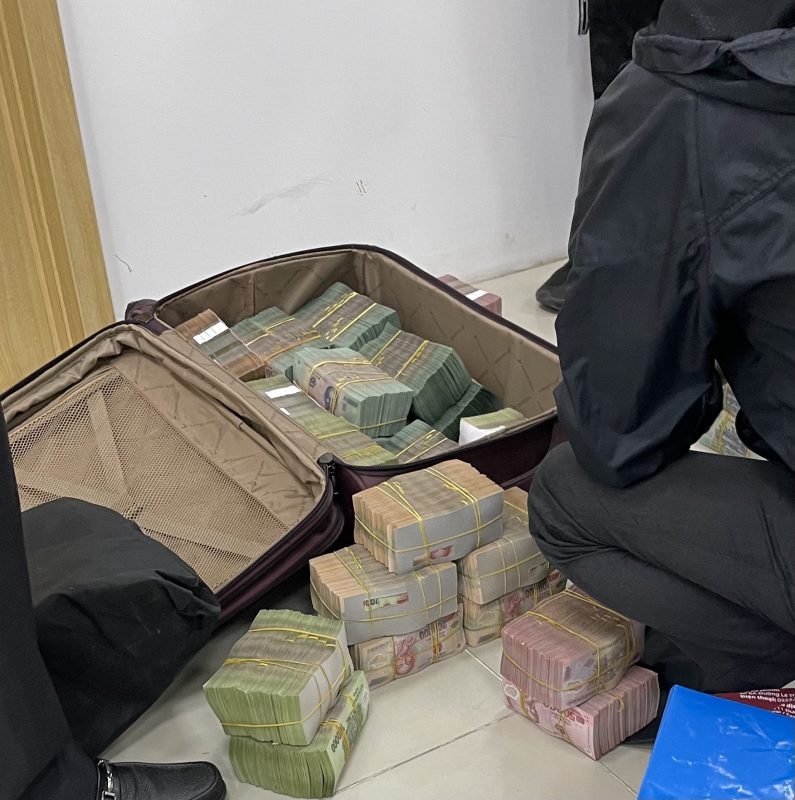
Sharing Mr. Hop's thinking, Mr. Nguyen Van Ha – a novice stock investor – said that in 2021, because his restaurant business was not doing very well, he also began to learn about stock investing and made a fairly decent profit.
Recently, Mr. Ha bought a plot of land in Ba Vi (Hanoi) at a price of more than VND 2,000,000,000, with an area of 1,000 m². He intends this plot to serve both as a stored asset and as a site to build a house where his family can rest on weekends.
“The air in Hanoi is getting worse, so I think owning a house in the suburbs to enjoy fresh air is good for my family's health and gives my children somewhere to play. Moreover, land only rises in price and rarely falls. And I do not have much experience from stocks, so I just withdrew and bought land to keep my profit safe. This is all my own money, with no borrowing, so no matter how the market fluctuates I can rest assured, without worrying about the burden of financial leverage,” Mr. Ha said.
Stocks and real estate are like two communicating vessels
According to real estate expert Phan Cong Chanh, looking back at 2021 – a year of soaring stock market – one thing can be seen: the resources among the population are still very large.
According to him, the hot growth of the stock market also partly explains last year's land fever. Because real estate and stocks are like two communicating vessels. After every time the stock market makes an impressive rise to a historic level, the real estate market immediately benefits as well.
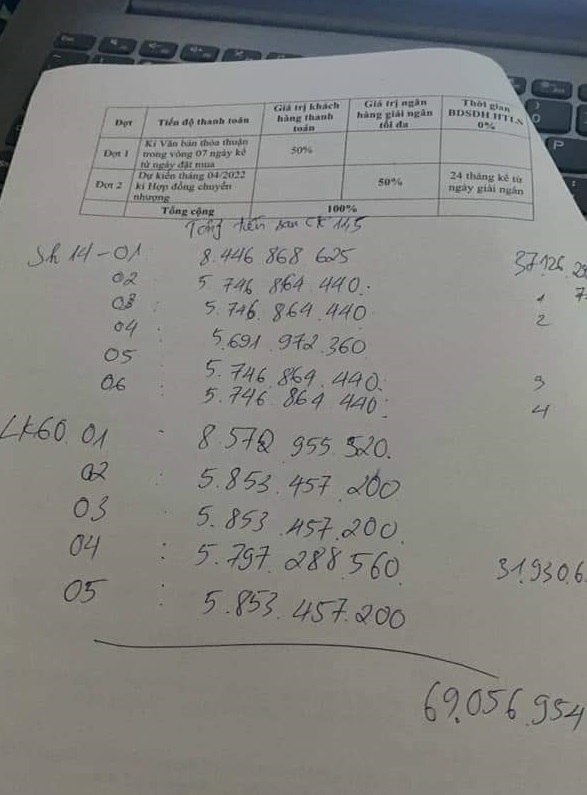
Many stock investors tend to shift profits into real estate.
Specifically, in early 2022, many stock investors tended to shift profits into real estate. This also happened in previous cycles of Vietnam's real estate market.
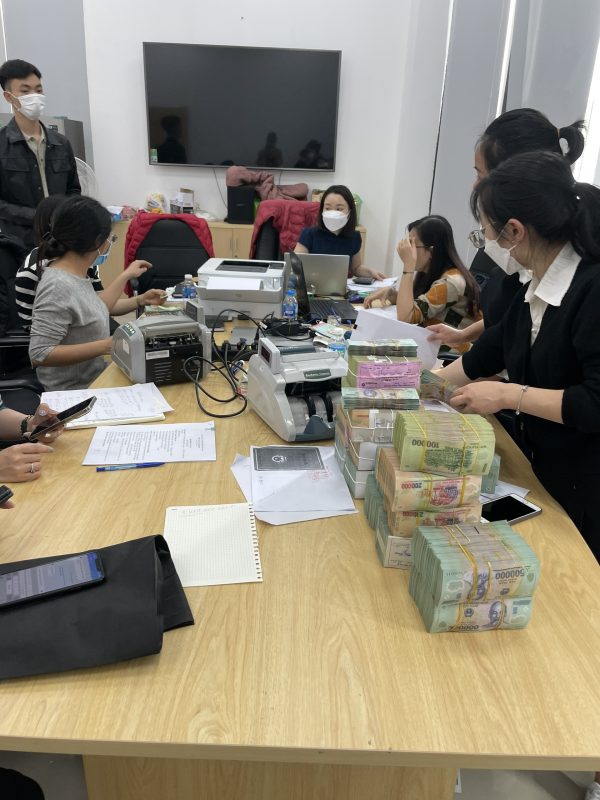
In addition, recently the Russia – Ukraine conflict has also led to a change in the appetite of investors around the world. This event has also pushed prices up and raised raw material costs, putting pressure on inflation.
“In the current geopolitical context and with business difficulties due to Covid-19, quite a few people turn to sustainable profit-generating investment channels such as real estate, alongside stocks. Therefore, real estate has received a very large inflow of money,” Mr. Chanh said.
In addition, this expert believes the widespread land fever is also partly because big cities such as Hanoi and Ho Chi Minh City have in recent years been short of supply, specifically a clean land fund for developing large-scale projects. The lack of supply has also pushed up land prices in some localities, especially emerging ones.
In addition, the recent land auction at Thu Thiem also created a spillover effect on general land prices in localities, not only in Ho Chi Minh City.
According to Nhip Song Kinh Te (Economic Life newspaper).

 English
 Vietnamese
 Chinese
 Korean


